Tectonagrandis

Threads of Empowerment

Threads of
Empowerment

ABOUT T.O.E

Founded by Jaldhini Patel and Jalpa Amin Co-Founder of Tectona Grandis Furniture, it blends over a decade of experience in custom textiles, floral design, and curated décor.


With Jaldhini’s creative insight and empathetic leadership, and Jalpa’s textile training from NIFT, they’ve built a platform where craft meets community development.


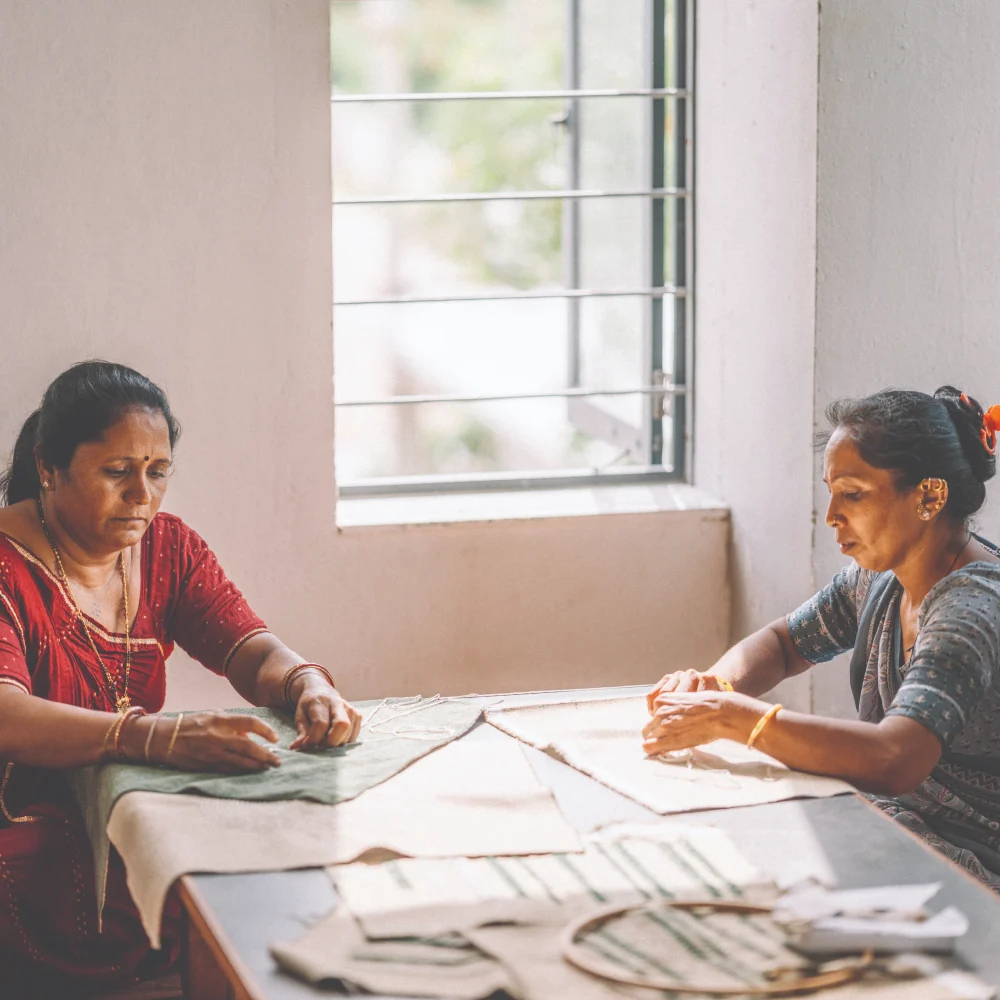
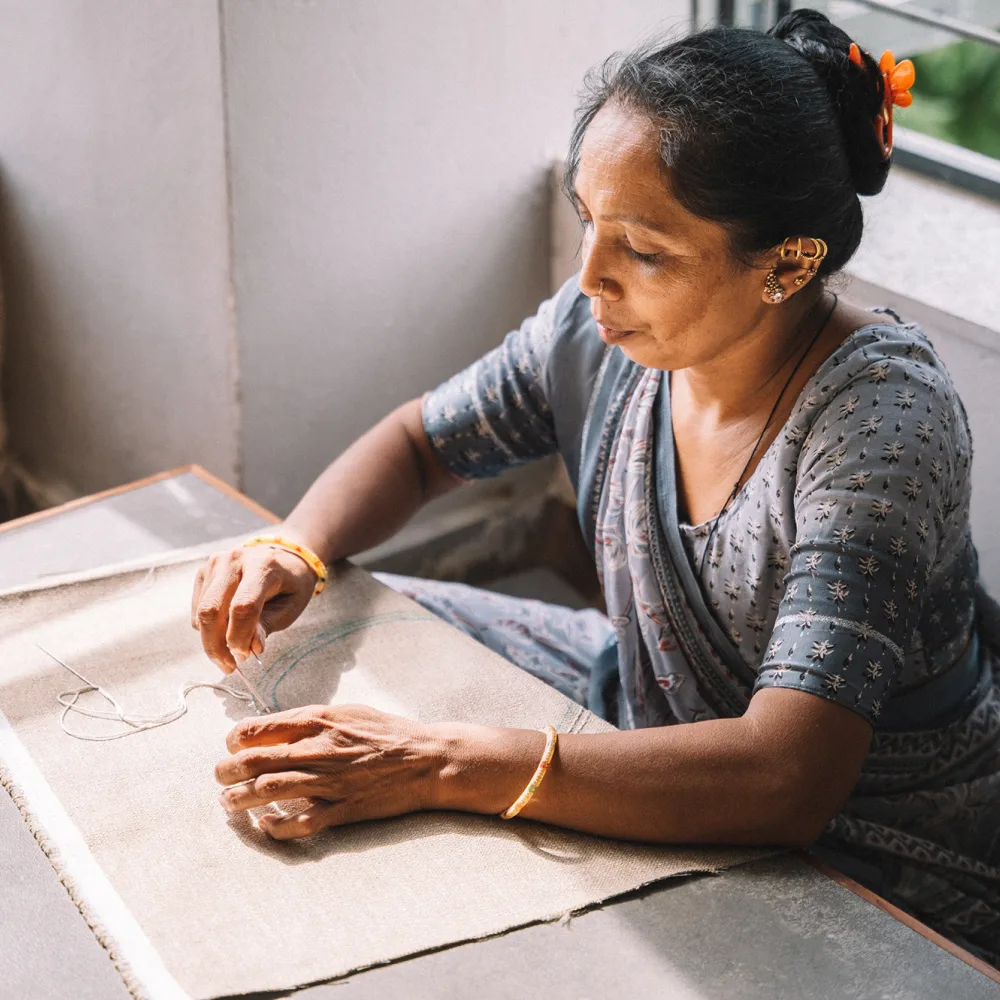
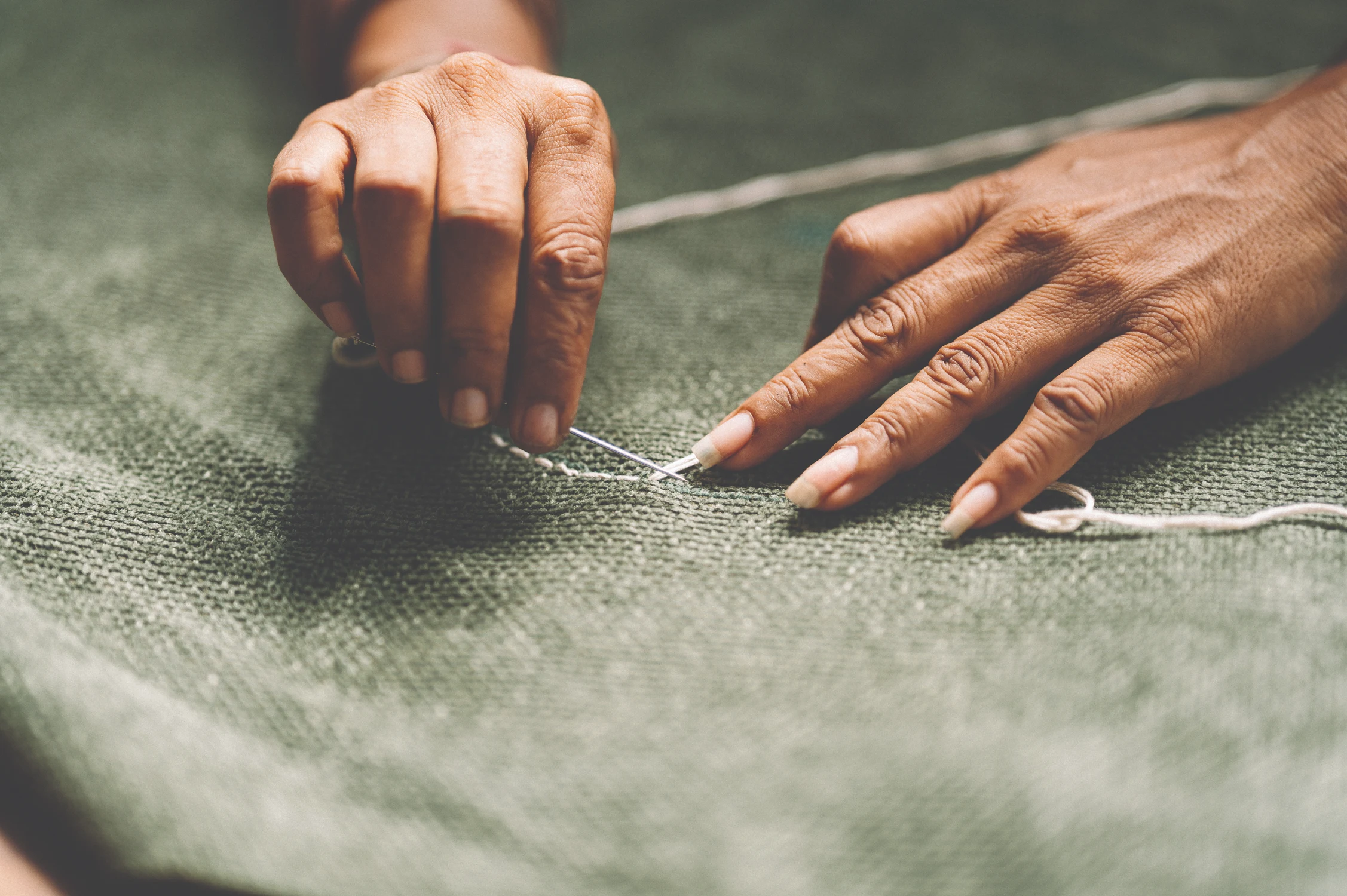
Launched in January 2025, Threads of Empowerment mentors women stepping into the world of craft many for the very first time. Through guided learning and patient support, the initiative fosters skill, dignity, and income turning hidden potential into proud, visible work.


Every piece tells a deeper story not only of material and design, but of growth, confidence, and care. Delicate ornamentations, from the fluid rhythm of chain stitches to the textured depth of knot and chevron work, infuse each textile with artistry and nuance, transforming fabric into a canvas of culture and expression. Beyond its crafted elegance, a portion of the proceeds quietly contributes toward learning access for children in underserved communities. 


Backed by Tectona Grandis Furniture, this is a journey where thoughtful design and social impact are beautifully stitched together.

VALUES

1. Empowerment with Dignity

Creating meaningful livelihoods that build independence, confidence, and respect for every hand involved.

2. Responsible & Sustainable Creation

Designing thoughtfully—honouring resources, reducing waste, and committing to long-term environmental balance.

3. Social Value Beyond Product

Giving back through ethical practices and community upliftment, ensuring growth benefits society at large.

MISSION

“Threads of Empowerment is committed to adding at least 10 new artisans each year by transforming manual work into skilled livelihoods. Through purposeful training, women-led inclusion, and the upcycling of a minimum 50% of surplus and waste textiles into soft furnishings, we aim to create dignified employment while building a circular, responsible textile ecosystem.”

At Threads of Empowerment, our mission is to grow impact responsibly and with intention. Each year, we aim to train and support at least 10 new artisans, with a focused effort on enrolling more women through Threads of Empowerment, while creating complementary skill and employment opportunities for men within Tectona Grandis Furniture.


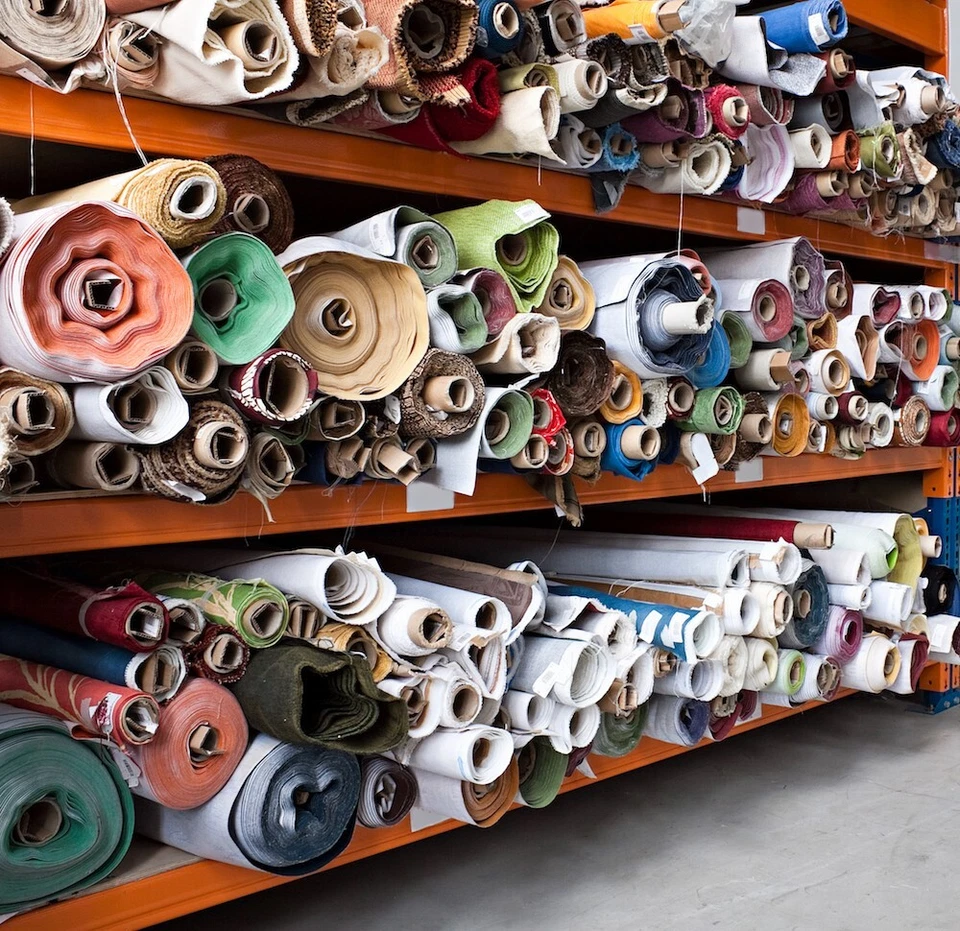
Skill development is embedded across every stage of production. By upcycling a minimum of 50% of surplus and waste textiles into value-added soft furnishings, we reduce material waste, create dignified livelihoods, and channel growth back into continuous training. Through this integrated approach, we build a circular economy where employment, sustainability, and community development strengthen and sustain one another.

TECTONA GRANDIS FURNITURE & Threads of Empowerment – SDG Impact Matrix Impact Model: Training → Livelihood → Community Transformation

We align our practices with the United Nations Sustainable Development Goals (SDGs) to ensure our growth creates long-term social, environmental, and economic value

CSR Pillar

SDGs Aligned

How We Contribute

Primary Beneficiaries

PEOPLE
Empowerment &
Livelihoods

1
5
8

We enable individuals to move from unskilled work to dignified, stable livelihoods through hands-on skill development in textiles and craftsmanship. Our focus is on inclusive participation, especially women and first-time earners, ensuring fair opportunities, continuous learning, and economic independence.

Aspiring artisans, women, first-generation skilled workers

PLANET
Environmental
Responsibility

12
13
8

Sustainability is embedded at the learning stage itself. We train artisans in responsible production practices, including waste reduction, conscious material use, and low-impact processes. By integrating environmental awareness into skill development, we build livelihoods that respect natural resources.

Communities adopting sustainable
production practices

PROSPERITY
Community &
Social Value

4
10
8

Through hands-on vocational training and continuous learning, we create access to economic opportunities for non-traditional artisans. Our approach strengthens local ecosystems, reduces inequality, and supports long-term community resilience through skill-based employment.

Local communities and emerging
workforce

GOVERNANCE
Partnerships &
Accountability

17
5
8

We work in collaboration with NGOs, training partners, and ethical supply-chain stakeholders to scale impact responsibly. Transparency, ethical practices, and accountable systems guide how we measure progress and build trust across our ecosystem

Partners & collaborators

PEOPLE Empowerment & Livelihoods

1
5
8

How We Contribute

We enable individuals to move from unskilled work to dignified, stable livelihoods through hands-on skill development in textiles and craftsmanship. Our focus is on inclusive participation, especially women and first-time earners, ensuring fair opportunities, continuous learning, and economic independence.

Primary Beneficiaries

Aspiring artisans, women, first-generation skilled workers

PLANET Environmental Responsibility

12
13

How We Contribute

Sustainability is embedded at the learning stage itself. We train artisans in responsible production practices, including waste reduction, conscious material use, and low-impact processes. By integrating environmental awareness into skill development, we build livelihoods that respect natural resources.

Primary Beneficiaries

Communities adopting sustainable production practices

PROSPERITY Community & Social Value

4
10

How We Contribute

Through hands-on vocational training and continuous learning, we create access to economic opportunities for non-traditional artisans. Our approach strengthens local ecosystems, reduces inequality, and supports long-term community resilience through skill-based employment

Primary Beneficiaries

Local communities and emerging
workforce

GOVERNANCE Partnerships & Accountability

17

How We Contribute

We work in collaboration with NGOs, training partners, and ethical supply-chain stakeholders to scale impact responsibly. Transparency, ethical practices, and accountable systems guide how we measure progress and build trust across our ecosystem.

Primary Beneficiaries

Partners & collaborators

“This SDG alignment is self-assessed and based on internal practices and outcomes.”